Landscape of Home Improvement and Energy Efficiency Grants in Wales:
Navigating the Landscape of Home Improvement and Energy Efficiency Grants in Wales: A Comprehensive Guide for 2026
5/7/20265 min read
For many households across Wales, the rising cost of living and the ongoing climate emergency have made home improvements a priority. Whether the goal is to reduce monthly utility bills, increase comfort, or lower a property's carbon footprint, the financial barrier to entry can often feel insurmountable. However, the Welsh Government and various national schemes provide a robust framework of financial assistance designed to help residents upgrade their homes.
This guide provides an in-depth look at the grants, schemes, and funding opportunities currently available in Wales, offering a clear roadmap for homeowners and tenants looking to improve their living conditions through sustainable investments.
The Welsh Government Nest Scheme: A Pillar of Support
The flagship programme for energy efficiency in Wales remains the Nest scheme. Managed on behalf of the Welsh Government, Nest is designed to help households reduce their energy bills and keep their homes warm. It is particularly focused on those who may be struggling with the costs of heating or living in properties that are difficult to keep warm.
Eligibility and Benefits
Nest offers free, impartial advice to any resident in Wales. However, for those meeting specific criteria—such as being on a low income or living in a particularly inefficient home the scheme can provide significant physical improvements at no cost. These improvements often include:
New, high-efficiency boilers.
Central heating systems.
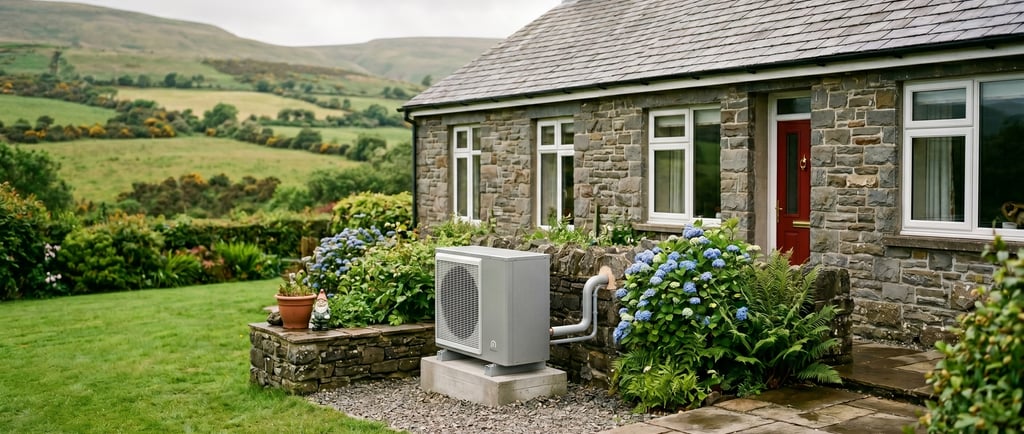
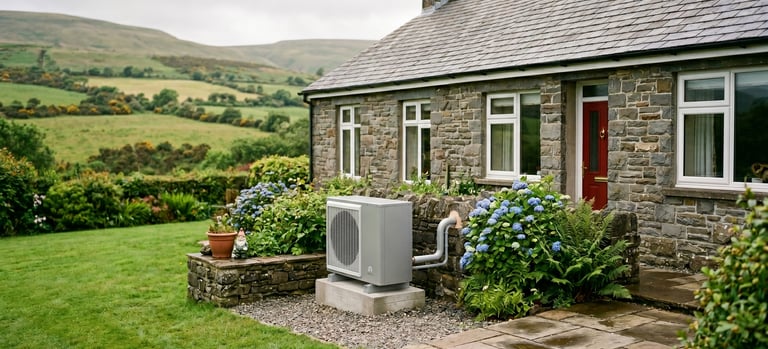
Air source heat pumps.
External wall insulation.
The primary objective is to target "fuel poverty," ensuring that vulnerable households do not have to choose between heating and eating. By providing these upgrades, the scheme not only assists individual families but also contributes to the national goal of achieving net-zero emissions.
Local Authority Grants: Adaptation and Essential Repairs
Beyond national energy schemes, local authorities across Wales, from Cardiff and Swansea to the more rural councils in Powys and Gwynedd, administer a variety of grants focused on health, safety, and accessibility.
Disabled Facilities Grants (DFGs)
One of the most vital forms of assistance is the Disabled Facilities Grant. This is a mandatory grant intended to help people with disabilities make essential adaptations to their homes, allowing them to continue living independently. This can include:
Installing ramps and widening doors.
Fitting stairlifts.
Adapting bathrooms (e.g., installing walk-in showers).
Improving access to the garden or outdoor spaces.
Renovation and Repair Grants
Many councils also offer discretionary grants for essential repairs. These are often targeted at older residents or those on low incomes whose homes have fallen into disrepair. In some cases, these are provided as "Home Improvement Loans" which are interest-free and only repayable when the property is sold. This ensures that the housing stock in Wales remains safe and habitable for the long term.
The ECO4 Scheme and the Great British Insulation Scheme
The Energy Company Obligation (ECO) is a UK-wide government energy efficiency scheme which is currently in its fourth iteration (ECO4). This scheme requires energy suppliers to help vulnerable and low-income households with energy-saving measures.
In Wales, the "Local Authority Flexibility" (LA Flex) element of ECO4 is particularly important. This allows local councils to set their own criteria for eligibility, meaning residents who might not qualify for standard benefits but are still struggling with high energy costs can sometimes access funding.
Focus on Fabric-First
ECO4 promotes a "fabric-first" approach. This means the priority is placed on the building's envelope, insulating walls, roofs, and floors before looking at the heating system. The logic is simple: there is little point in installing an efficient boiler if the heat is immediately escaping through an uninsulated loft.
The Great British Insulation Scheme (GBIS) complements this by offering single-measure insulation upgrades (such as cavity wall or loft insulation) to a wider range of households, including those in lower Council Tax bands with an Energy Performance Certificate (EPC) rating of D or below.
Transitioning to Low-Carbon Heating: The Boiler Upgrade Scheme
As Wales moves away from fossil fuels, the Boiler Upgrade Scheme (BUS) has become a central tool for homeowners. While the Welsh Government has its own specific initiatives, the BUS provides a substantial grant to help property owners in Wales and England replace traditional gas or oil boilers with low-carbon alternatives.
Grant Values and Technology
As of 2026, the grant typically provides:
£7,500 towards an air source heat pump.
£7,500 towards a ground source heat pump.
£5,000 towards a biomass boiler (in specific rural circumstances).
The transition to heat pumps is a significant shift for many Welsh households. Unlike traditional boilers that provide a sudden burst of high heat, heat pumps operate at lower temperatures over longer periods, maintaining a consistent warmth. This requires a well-insulated home to be effective, which is why many of the insulation grants mentioned above serve as a necessary precursor to this technology.
Community-Led and Niche Funding Opportunities
In addition to large-scale government programmes, Wales is home to several community-focused funding streams. Many wind farm developments and renewable energy projects in regions like Neath Port Talbot or the Rhondda Valleys operate community benefit funds. These funds often provide small grants for local residents to improve the energy efficiency of community buildings or individual households within a certain radius of the project.
Furthermore, the "Warm Homes Programme" continues to evolve, with the Welsh Government frequently reviewing its budget to ensure that the most inefficient homes (those with an EPC of E, F, or G) are given priority for whole-house retrofits.
The Application Process: How to Start
Navigating the world of grants can be daunting. The process typically follows a specific sequence to ensure that the most appropriate measures are installed.
Assessment: Most grants begin with a home energy assessment. A qualified assessor will visit the property to determine its current EPC rating and identify where heat loss is occurring.
Eligibility Check: You will likely need to provide evidence of income, benefits, or property ownership.
Technical Survey: Once eligibility is confirmed, a technical survey is conducted to see if the proposed measures (like solar panels or external wall insulation) are physically suitable for the building.
Installation: Work is carried out by accredited installers, often registered with TrustMark or a similar quality assurance body.
Avoiding Scams and Ensuring Quality
With the increase in available funding, there has been a rise in unscrupulous operators. It is essential for Welsh residents to remain vigilant. Authentic grant schemes will never ask for large up-front payments for "administration."
When looking for installers, always ensure they are TrustMark registered and, if they are installing gas appliances, Gas Safe registered. For renewable technologies like solar panels or heat pumps, the Microgeneration Certification Scheme (MCS) is the industry standard for quality and reliability.
The Strategic Importance of Grants in Wales
The push for home improvements in Wales is about more than just individual comfort. It is a critical component of the Senedd’s strategy to improve public health and the economy. Cold, damp homes are a major contributor to respiratory illnesses and other health conditions, which places a significant burden on the NHS in Wales. By investing in better housing, the government is effectively advancing the nation's long-term health.
Moreover, the "Green Economy" is a growing sector. The demand for insulation specialists, heat pump engineers, and retrofit coordinators provides a wealth of job opportunities across Welsh communities, from the industrial hubs of the south to the rural north.
Conclusion
The variety of grants available in Wales reflects a deep commitment to social equity and environmental responsibility. From the comprehensive support of the Nest scheme to the targeted assistance of Local Authority and ECO4 funding, there are numerous avenues for residents to explore.
While the landscape of funding can be complex, the benefits of taking action lower bills, a warmer home, and a healthier planet are undeniable. By staying informed and utilising the resources provided by the Welsh Government and local councils, homeowners and tenants alike can take a significant step towards a more sustainable and comfortable future.
Note
This tool provides an independent estimate only.
Contact
support@checkmygrantwales.co.uk
© 2026. All rights reserved.